

SHARE



Service Business Website vs E-commerce Website: Which Do You Need?
March 25, 2026 | 5 min read
By WePage Team

Table of Content
- Why This Decision Matters More Than It Looks
- What a Service Website Is Really Doing
- What an E-commerce Website Needs to Do
- The Core Difference That Changes Everything
- How to Tell Which Direction You’re In
- Why Starting Simple Works Better
- Choosing a Template Becomes Much Easier
- Where WePage Fits Into This
- A Quick Reality Check
If you’re building a website for your business, this decision ends up shaping far more than most people expect.
At first, it can feel like a simple choice. You just need a website, so you pick a template and get started. But what many small businesses realize later is that not all websites are built for the same purpose. And when that purpose isn’t clear, the whole site starts to feel off. That’s usually where confusion begins. The layout doesn’t quite fit. The messaging feels unclear. Visitors hesitate, and when they hesitate, they often leave.
So before you get into design, it’s worth taking a moment to think about what your website is actually meant to do.
Because a service website and an e-commerce website are built in completely different ways, even if they look similar on the surface.
1. Why This Decision Matters More Than It Looks
When your website matches how your business works, everything feels easier. The content flows naturally, the calls to action make sense and visitors understand what to do.
When it doesn’t match, you start forcing things. You add extra sections, adjust wording, try to cover gaps and it never quite clicks.
This isn’t a design issue. It’s a structure issue.
And structure comes from understanding your business model first.
2. What a Service Website Is Really Doing
A service website is less about selling instantly and more about building enough confidence for someone to take the next step. That step might be sending a message, requesting a quote or simply deciding that your business feels right for them.
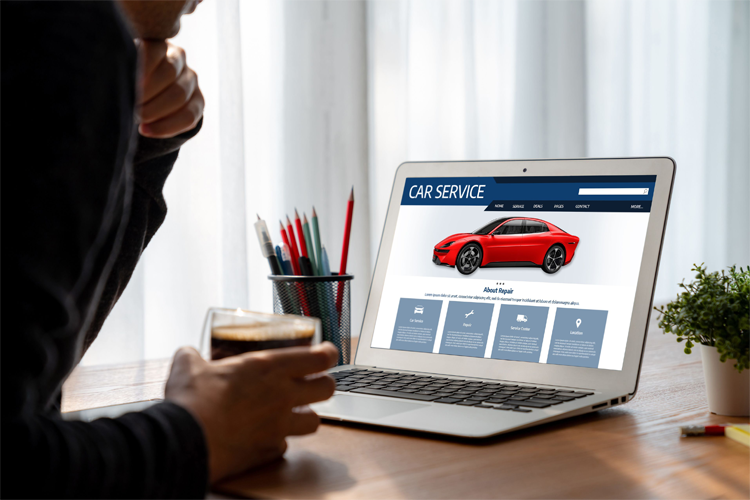
In most cases, people don’t land on a service website ready to buy. They’re still deciding, so your website needs to guide them, not rush them.
That’s why service websites tend to focus on clear explanations, simple structure and visible contact options. They make it easy for someone to understand what you do and how to move forward without feeling pressured.
3. What an E-commerce Website Needs to Do
E-commerce websites operate differently. The goal is much more immediate.
A visitor arrives, looks at products and ideally makes a purchase without needing to ask questions. That means the website needs to remove as much friction as possible.
Product pages need to be clear. Pricing needs to be obvious. Navigation needs to be simple. And most importantly, the path to checkout needs to feel effortless. If anything slows that process down, even slightly, people tend to drop off.
That’s why e-commerce sites are built around speed and clarity rather than explanation.
4. The Core Difference That Changes Everything
If you strip everything back, the difference is simple.
A service website is built around conversation.
An e-commerce website is built around transaction.
That one distinction affects how your homepage is written, how your buttons are labeled and how your content is structured. A service site invites people to get in touch. An e-commerce site pushes toward a purchase. When those signals are mixed, visitors feel it immediately.
5. How to Tell Which Direction You’re In
If you’re unsure, think about what happens before someone becomes a customer.
If they need to speak with you, ask questions or get something tailored, you’re operating as a service business. If they can choose something, pay and move on without interaction, you’re closer to e-commerce.
This might sound obvious, but a lot of businesses sit somewhere in between and that’s where things get tricky.
Some service businesses try to present everything like products, with fixed pricing and simplified descriptions. At the same time, some product businesses over-explain, adding unnecessary detail that slows down decision-making.
In both cases, the website doesn’t match how the business actually works and when there’s a mismatch, visitors hesitate.

6. Why Starting Simple Works Better
There’s often a temptation to build everything at once. Offer services, sell products and cover every possibility. But early on, that usually creates more problems than it solves.
A clearer approach is to focus on one direction first. If your business is service-based, a simple, well-structured site can generate enquiries and build trust quickly.
From there, you can expand if needed.
7. Choosing a Template Becomes Much Easier
Once you know your direction, template choice stops feeling overwhelming. You’re no longer guessing. You’re matching structure to purpose.
For service websites, look for templates that emphasize messaging and contact. For e-commerce, focus on layouts that support browsing and purchasing.
This shift alone saves a huge amount of time.
8. Where WePage Fits Into This
If your business doesn’t require a full eCommerce setup, WePage is built to help you create a clear and effective website instead.
It focuses on clean structure and simple templates so you can present your services, information, and brand without unnecessary complexity.
There’s no need to manage plugins or advanced systems. You can stay focused on communicating clearly—something most small businesses truly need.
9. A Quick Reality Check
This decision doesn’t have to be perfect.
Most websites evolve over time as the business grows. What matters is that your current site reflects how your business works today. If a visitor lands on your homepage and understands what you do, who it’s for and what to do next, you’re already ahead of most.
Choosing between a service website and an e-commerce site isn’t about picking the better option. It’s about choosing the one that fits your business right now.
When your website aligns with how you actually operate, everything becomes clearer. Your messaging improves, visitors understand faster and taking action feels more natural.
Start there. Then build from it.
SHARE
Related articles