
SHARE



How to Upgrade From a Free Website Without Losing Traffic
March 25, 2026 | 4 min read
By WePage Team
Table of Content
If you’ve been running your website on a free plan for a while, there’s usually a moment where you start thinking about upgrading.
It might be because your site is getting more visitors. Or maybe you want it to look more professional. Sometimes it’s just a feeling that you’ve outgrown the basics.
But right alongside that decision, there’s often a concern -What happens to your traffic if you upgrade? Do you lose what you’ve built so far?
It’s a fair question. And it’s one of the main reasons people delay upgrading longer than they need to.
The good news is if you handle the upgrade properly, you don’t lose your traffic. In many cases, you actually strengthen your position.
1. Why Upgrading Feels Risky
When your site starts getting visits, even small ones, it begins to feel like something fragile.
You’ve put time into it. Search engines have started to recognize it. Maybe a few people are finding you organically.
So the idea of changing anything can feel like you’re about to break something that’s just starting to work. But most of that fear comes from uncertainty, not reality.
Upgrading your plan doesn’t reset your website. It doesn’t erase your content. And it doesn’t make search engines forget you exist.
2. What Actually Changes When You Upgrade
When you move from a free plan to a paid one, the core of your website stays the same. Your pages, your content and your structure all remain intact. What usually changes are things around the edges.
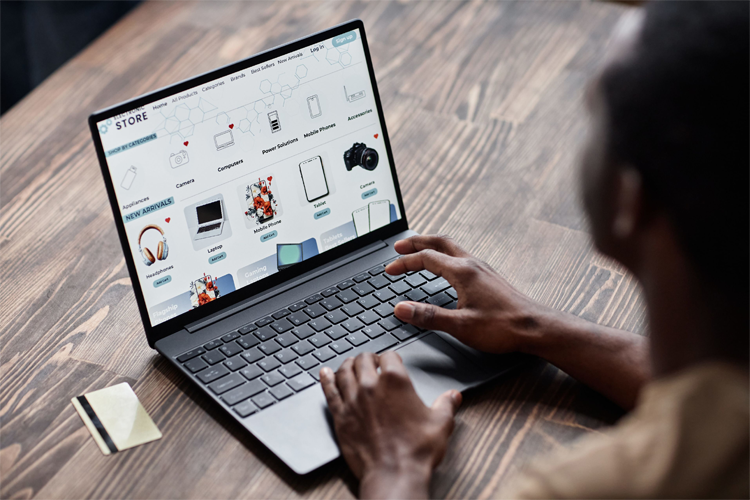
You remove platform branding, you gain the ability to connect a custom domain and you may unlock additional design or layout options.
From a visitor’s perspective, your site simply looks more established. And that alone can improve how people respond to it.
3. Connecting a Custom Domain Without Losing SEO
For most people, the biggest step in upgrading is connecting a custom domain.
It’s what makes your website feel like a real business rather than a temporary page. This is also where most of the concern about traffic comes from. People worry that changing the domain will wipe out their search visibility. In reality, search engines are used to this.
When a domain is connected properly and the structure of your site stays consistent, your rankings don’t just disappear.
What matters most is stability. If your page content, titles and structure remain the same, search engines continue to understand your site. In simple terms, you’re not starting over. You’re just changing the sign on the door.
4. Preserving SEO During the Transition
The biggest mistake people make during an upgrade isn’t the upgrade itself. It’s changing too many things at once. If you redesign everything, rewrite all your content and change your structure at the same time as upgrading, it becomes harder to know what affected your traffic. A better approach is to keep things steady.
Upgrade first. Let everything settle. Then make improvements gradually. This way, if anything changes, you can understand why.
There’s another side to upgrading that often gets overlooked. It’s not just about keeping traffic. It’s about what happens after someone arrives. A cleaner design, a custom domain and the removal of free plan branding all contribute to trust. And trust has a direct impact on whether someone takes action.
So even if your traffic stays the same, your results can improve.
Visitors feel more confident. And that confidence leads to more enquiries, clicks or conversions.
5. When It Makes Sense to Upgrade
There’s no perfect timing, but there are clear signals. If your site is starting to get consistent visits, if you’re sharing it more often or if it represents your business publicly, upgrading usually makes sense.
It’s less about reaching a specific number and more about reaching a point where your website matters.
Upgrading doesn’t mean your site suddenly becomes perfect. It just gives you a stronger foundation to build on. You’ll still refine things. You’ll still adjust content and improve pages over time. But you’ll be doing it from a more professional starting point.

6. Where WePage Fits Into This
If you’re using WePage, upgrading is designed to be straightforward.
You’re not rebuilding your site. You’re simply unlocking additional capability around what you’ve already created. You can keep your structure, your content and your layout exactly as they are, then layer improvements on top.
This is what makes the transition smoother and less risky.
Upgrading from a free website isn’t about starting over. It’s about building forward.
When handled carefully, it protects what you’ve already created while opening the door to better results. And in most cases, it’s a step worth taking sooner rather than later.
SHARE
Related articles