

SHARE



What Pages Should Every Small Business Website Include?
April 10, 2026 | 7 min read
By WePage Team

Table of Content
If you are building a website for a small business, one of the first questions that usually comes up is a simple one. What pages do I actually need?
It sounds straightforward, but this decision has a bigger effect than many people expect. The right pages help a website feel clear, trustworthy and easy to use. The wrong mix can make even a well-designed site feel thin, confusing or unfinished.
Some businesses go too far and create pages nobody needs, packed-full of irrelevant information. Others stay so minimal that visitors never get enough information to feel comfortable taking the next step.
The good news is that most small business websites do not need a huge number of pages. In fact, simpler usually works better. What matters is not how many pages you have. It is whether each page has a clear job and helps move someone forward. When the structure is right, visitors can quickly understand your business, trust what they are seeing and know what to do next. When it is wrong, even good content can feel hard to navigate.
1. The Homepage
The homepage is where that process usually starts. Think of it as the front door. It does not need to explain everything in detail, but it does need to answer the basics quickly.
- What does this business do.
- Who is it for.
- What should I do next.
If the homepage gets those answers across clearly, people will keep exploring. If it does not, they often leave before the rest of the site gets a chance to help. This is why strong homepages usually feel focused rather than crowded. They introduce the business, highlight the main offer and point visitors toward the pages that matter next.
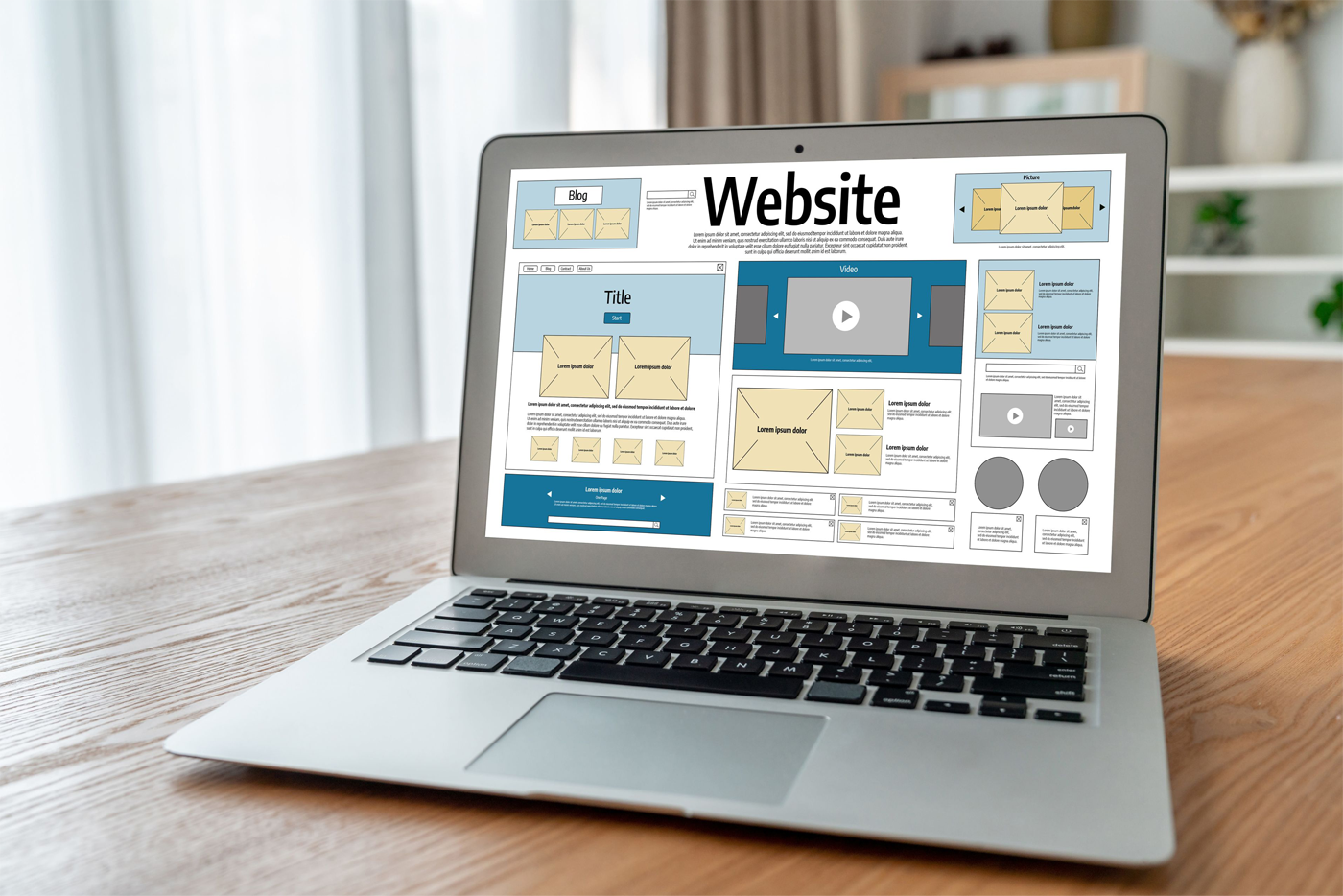
A good homepage also sets expectations. It gives visitors a sense of what kind of experience they will have if they continue. Is the business professional. Is it approachable. Is it clear about what it offers.
2. About You
After the homepage, the About page is often more important than small businesses realize. Visitors do not go there just to read your story. They go there because they want reassurance.
They want to know who they are dealing with, whether the business feels real and whether it seems trustworthy enough to contact. A good About page is not about writing a long autobiography. It is about making the business feel human. Explain who you are, what you do and why the business exists in language that feels natural. If relevant, include a photo, a short background and something that helps people understand your approach. It should feel personal enough to build confidence without drifting into unnecessary detail.
It can also help to explain your values or how you work. This gives people a clearer sense of what to expect and helps differentiate your business from others offering similar services.
3. Your Services
The services page is where clarity starts to turn into intent. If someone is interested enough to click on services, they are usually trying to figure out whether your business can actually help them.
This is not the place for vague language or overly clever phrasing. Each service should be explained in a way that makes sense to a real customer.
- What is included.
- Who is it for.
- What problem does it solve.
If you offer several services, break them into clear sections instead of trying to squeeze everything into one long block of text. The goal is not to say more. It is to make the offer easier to understand. Many small businesses lose opportunities here simply because the visitor never gets a clear picture of what is actually available.
For product-based businesses, the same principle applies even if the page is labeled differently.
Whether you call it Products, Shop or Collections, that page needs to make browsing feel easy. Visitors should be able to understand what you sell without digging. Good structure, obvious categories and clear descriptions matter more than trying to show everything at once.

4. The Contact Page
The contact page is another essential, and it is surprising how often it is treated like an afterthought. If someone has decided they want to reach out, the path should be obvious.
A good contact page includes the details people actually need, such as a phone number, email, contact form, location or service area and business hours if they matter.
The key is reducing hesitation. If your site makes someone hunt for your contact details, you are creating friction at exactly the wrong point. For local businesses, a map section can help too. It not only supports clarity, it also makes the business feel more established and real.
5. FAQ’s
Then there is the FAQ page. Not every business includes one, but many probably should.
FAQ pages help answer the small questions that stop people from taking action. It might be about pricing, turnaround time, service areas, process or what happens after someone gets in touch. These questions may feel minor from your side, but they can make a big difference in a visitor’s decision.
If they cannot find the answer quickly, they often pause. And once that pause happens, they may not come back. A strong FAQ page quietly removes doubt. It also shows that you understand what your customers are likely to ask, which builds trust.
6. Optional Pages
There are a few optional pages that can be useful once the essentials are in place.
Testimonials or Reviews can help if social proof plays a big role in your business.
A Portfolio or Gallery is valuable if your work is visual.
A Blog can support SEO and education over time.
But these pages tend to work best when the core structure is already solid. If the homepage, About, services and contact pages are weak, adding more pages will not fix the problem. It usually just spreads the confusion around.
This is why small business websites work best when they are built like a simple system. The homepage introduces the business and points people in the right direction. The About page builds trust. The services page explains the offer. The FAQ page removes friction. The contact page makes action feel easy. When those pieces are all present and doing their job, the experience feels natural. Visitors do not have to figure things out. They move through the site with a sense of momentum.
A platform like WePage can make this much easier because the templates already support this kind of structure.
Instead of guessing what pages you need or trying to design every section from scratch, you can build around a framework that already reflects how small business websites tend to work best. That does not mean every site looks the same. It just means the foundation is there, which helps you focus on content and clarity instead of losing time on layout decisions.
The bigger point is this. A strong business website is not about having more pages. It is about having the right pages.
You want enough information to build trust and support conversion, but not so much that people get lost. If your site has a clear homepage, a credible About page, a useful services page, a simple contact page and an FAQ that answers common concerns, you already have the structure for something strong.
Final Thoughts
Small business websites work best when they are easy to understand. The right pages help people get oriented quickly, feel confident in what they are seeing and know what to do next. That is what builds credibility and improves conversion.
If you are unsure where to start, start with the essentials. You can always expand later. But a clear website with the right pages will almost always outperform a larger website that is harder to follow.
SHARE
Related articles