

SHARE



How to Make Your Website Easy for Local Customers to Find
April 10, 2026 | 7 min read
By WePage Team

Table of Content
If you run a local business, one of the most useful things your website can do is help nearby customers find you without a lot of effort.
That sounds obvious, but it is where many business websites quietly fall short. The service may be good. The website may look fine. But if it does not send clear local signals, it becomes much harder for search engines and real people to connect the site to the place you actually serve. And when that connection is weak, visibility tends to suffer.
The good news is that local SEO is often more straightforward than people think. It is not usually about advanced tricks or technical shortcuts. More often, it comes down to making your business details, service area and content more specific. Search engines are trying to understand who you help, what you offer and where you do it. The easier you make that, the better your site tends to perform.
1. Set Yourself Apart
One of the most common problems is that local businesses build websites that sound too generic. The homepage may say something like “professional plumbing services” or “expert legal support,” but it never clearly says where the business operates. From the owner’s perspective, the location may feel obvious. From the website’s perspective, it may not be obvious at all. That missing detail matters. If someone lands on your site, they should be able to tell almost immediately what you do and what area you serve.
That is why your homepage is usually the first place to strengthen local relevance.
Your main headline or supporting text should naturally mention your city, region or local service area. Not in a forced or repetitive way, but in a way that helps make your offer feel grounded. A phrase like “family law support for clients in Denver” or “landscape design for homeowners in Orange County” is far more useful than broad, location-free language.
It also helps to reinforce this information slightly further down the page. A short supporting paragraph, a service summary or even a testimonial section can echo your location naturally.
This repetition is not about keyword stuffing. It is about clarity.
2. Location, Location, Location
Location pages can also be helpful, especially if you serve more than one town or neighborhood. But they need to be done carefully.
Thin pages with the same paragraph copied over and over do not help much. What works better is creating pages that actually reflect the area. Mention the services you most often provide there, the kind of customers you tend to help and any useful local context that makes the page feel genuine. Even a short but specific page can do more than a long generic one.
It can also help to include small details that feel real. For example, common property types in that area, typical customer needs or even seasonal considerations.
These details do not just support SEO. They make the page feel more relevant to a real person reading it.
3. Make It Easy To Contact You
Another key part of local discoverability is your contact information. Search engines look for consistency and so do people.
Your business name, address and phone number should be written the same way across your site and your other online profiles. Small inconsistencies can create confusion, and while they may seem minor, they weaken the sense of reliability you want to build.
This is why the contact page is so important.
It is not just there for people who are ready to call. It also acts as a trust signal. A well-built contact page tells visitors that your business is real, reachable and established.
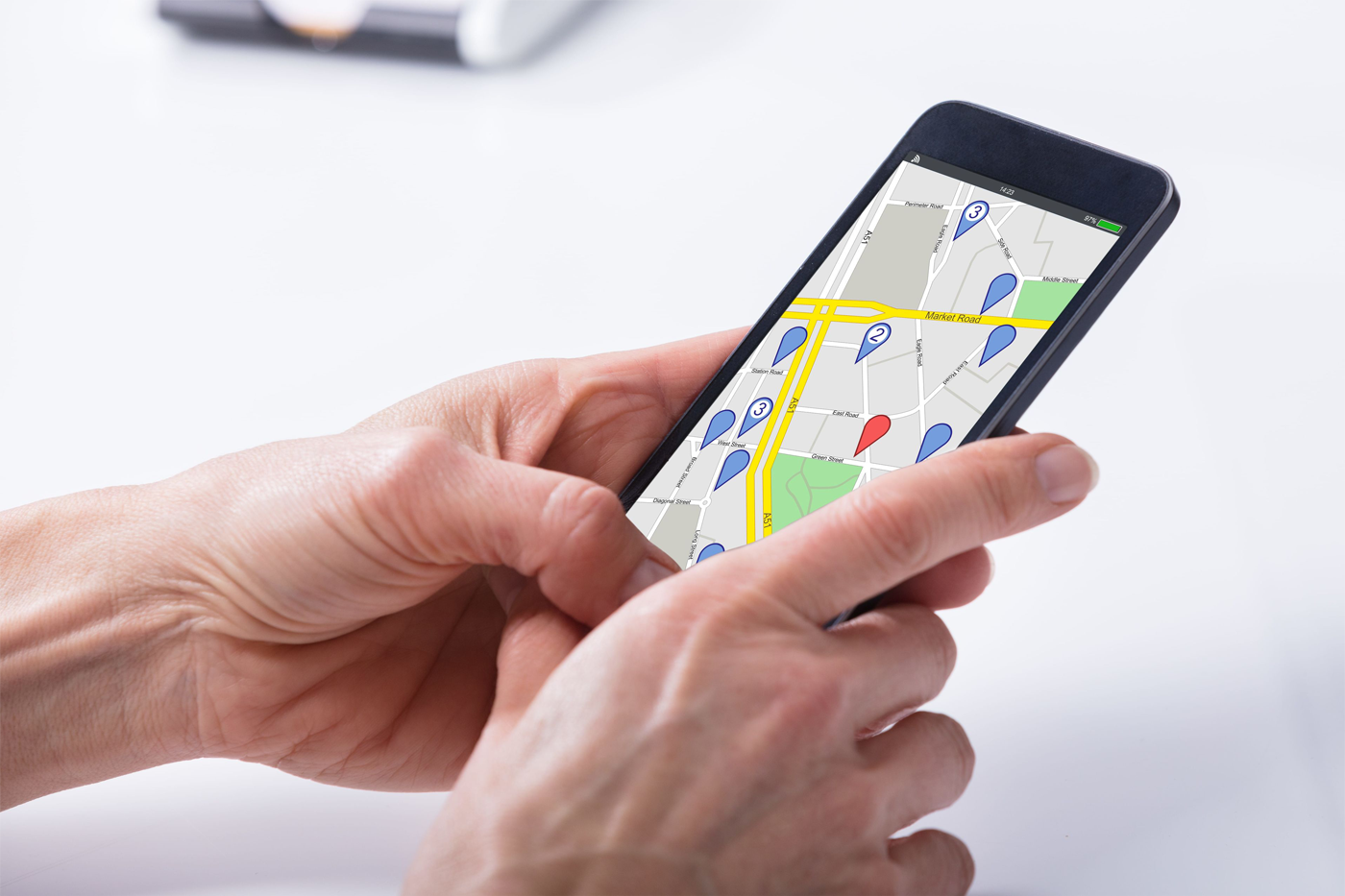
Include your main contact details, your location or service area, your hours if relevant and a map section if it makes sense for your business. For local service businesses, that map can do a lot of quiet work. It helps confirm where you operate and makes the business feel grounded in a real place.
Google Maps sections also help with user confidence in a very practical way. If someone is deciding between two similar businesses, the one with a clearer location signal often feels more real. It takes some of the uncertainty out of the decision. That matters more than people think, especially on mobile when a customer may be searching while already out and about.
4. Your Services
Your service pages matter too. A lot of local businesses only optimize the homepage and leave the rest of the site too broad. But search behavior is often more specific than that.
People do not just search for “accountant” or “roof repair.” They search for “small business accountant in Phoenix” or “emergency roof repair in Charlotte.” That means your individual service pages need enough detail to support the way real customers search.
A useful service page should explain the service clearly, mention the type of customer it is for and naturally reference the areas you serve where relevant. The goal is not to force location phrases into every paragraph. The goal is to make the page feel clearly tied to your market.
When the content sounds real and specific, it usually works better for both SEO and conversion.
5. FAQs
FAQ sections can help here too.
If customers often ask whether you serve a nearby town, whether travel fees apply outside the city or whether appointments are available in certain neighborhoods, those questions belong on the site. They add useful location context while also reducing friction for people who are deciding whether to contact you.
6. Build Trust
The same principle applies to trust-building content. Testimonials are stronger when they sound grounded in real experiences, and they become even more useful if they reference local context. A review that says “they helped us quickly” is fine. A review that mentions a neighborhood, a timeline or a familiar local problem feels much more convincing.
It allows the reader to picture themselves in a similar situation.
A platform like WePage helps with this because it gives small businesses a clean starting structure.
That makes it easier to build pages that support local visibility without overcomplicating the process. You are not trying to become an SEO technician. You are trying to make your business easier to understand online.
7. Be Mobile
Something else worth paying attention to is how your site appears on mobile. A lot of local searches happen on phones, often when the person searching is ready to act. If your phone number is hard to tap, your location is buried or the contact page is awkward to use, the local SEO work has less impact because the site is not helping people move forward once they arrive.
It is also worth thinking about loading speed.
If your site takes too long to load, especially on mobile data, people may leave before they even see your content. Fast, clean pages tend to perform better both for SEO and for user experience.

8. SEO
What often surprises people is that local SEO improvements are usually not dramatic in isolation. One page change rarely transforms everything overnight. But when you combine stronger homepage language, clearer contact details, better service pages and more location-specific content, the whole site becomes easier to read and easier to trust. That is what builds momentum.
It also helps to think about local SEO as an extension of real-world clarity. If a nearby customer visited your business in person, they would know what you do, where you are and how to contact you. Your website should give them that same confidence without making them guess.
9. Final Thoughts
Making your website easier for local customers to find usually comes down to one thing - Specificity.
The clearer your website is about what you offer, where you offer it and how to reach you, the stronger your local presence becomes.
That is what helps search engines connect the dots. More importantly, it is what helps real people decide that your business is the right one to contact. Over time, this clarity builds trust, improves visibility and increases the number of enquiries your website generates.
SHARE
Related articles