

SHARE



How Templates Help You Launch a Professional Website Faster
April 10, 2026 | 6 min read
By WePage Team
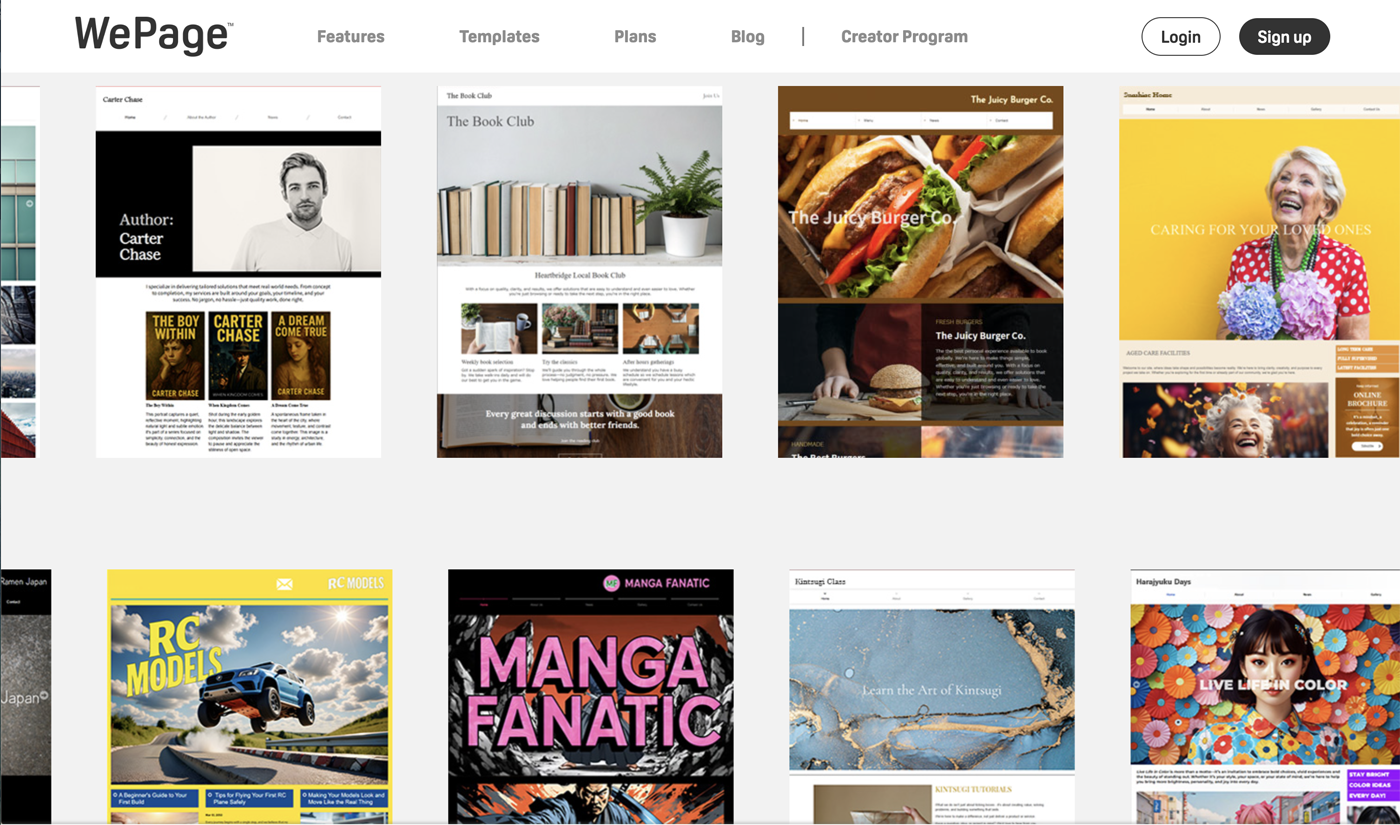
Table of Content
One of the biggest reasons websites get delayed is not technical skill. It is indecision.
You sit down ready to build, and before you have written a headline you are already choosing between layout styles, section orders, font pairings, button shapes and homepage structures. What started as a simple project begins to feel much bigger than it actually is.
That is one of the main reasons templates are so useful.
1. Good Templates Are Key
A good template does more than make a website look polished.
It reduces the number of early decisions you have to make, which means you can focus on what matters more.
- Your message.
- Your offer.
- Your contact path.
The things visitors actually respond to.
For entrepreneurs and freelancers, this matters a lot.
Most people building a site are not trying to become web designers. They are trying to get a credible, professional website online without losing days or weeks to choices that do not move the business forward.
This is where templates quietly change the whole process.
Instead of starting with a blank page, you start with structure. The homepage has a shape. The service section has a place. The contact area already exists. The layout is doing some of the heavy lifting for you, which frees you up to work on the parts only you can provide.
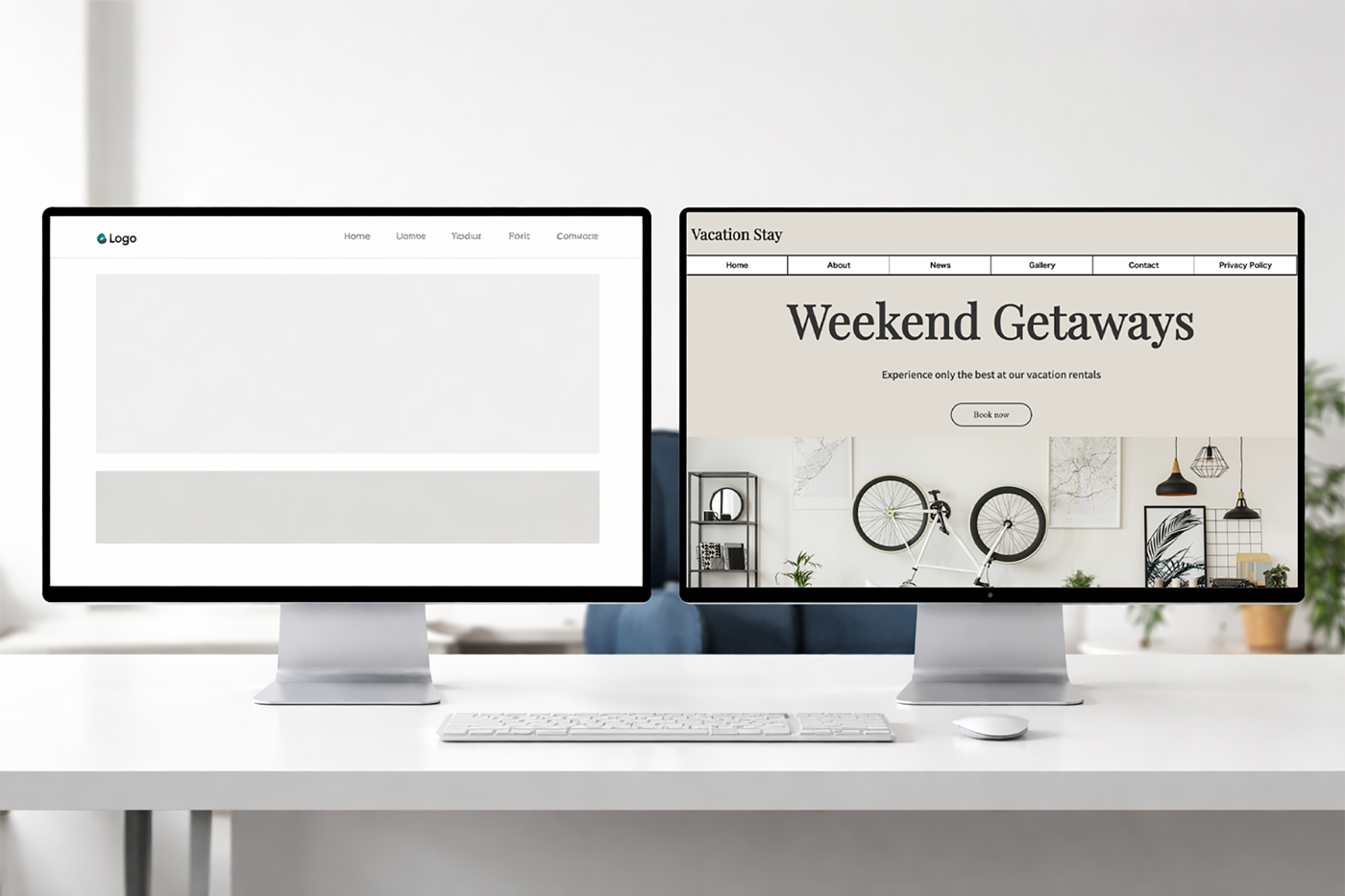
Starting from scratch sounds flexible, but it often creates friction.
You do not just have to decide what the website should say, you also have to decide where everything goes, how the page should flow and what the layout should do at each point. That takes longer than most people expect, especially if you have never done it before.
Templates solve that by giving you a working framework. Not a finished website, but a solid starting point. That difference matters because momentum matters. A website that gets built and launched is far more valuable than a custom idea that stays unfinished because the process kept expanding.
Templates also help with something many first-time builders underestimate, which is visual consistency. A professionally designed template usually has built-in logic around spacing, hierarchy and section balance. That means your site starts from a layout that already makes sense to visitors.
Without that structure, it is easy to create pages that feel uneven or overloaded without realizing it.
This is especially helpful if your goal is speed.
A lot of businesses do not need a deeply customized site right away. They need something clear, functional and professional enough to support credibility. Templates are ideal for that stage because they let you focus on content and business direction instead of spending your energy on design theory.
Another benefit is that templates reduce the fear of getting it wrong.
Starting from zero puts a lot of pressure on every decision. When you begin with a template, the decisions become smaller and more manageable. You are not inventing the whole website, you are shaping an existing structure to fit your business. That feels more realistic, especially if you are juggling other responsibilities at the same time.
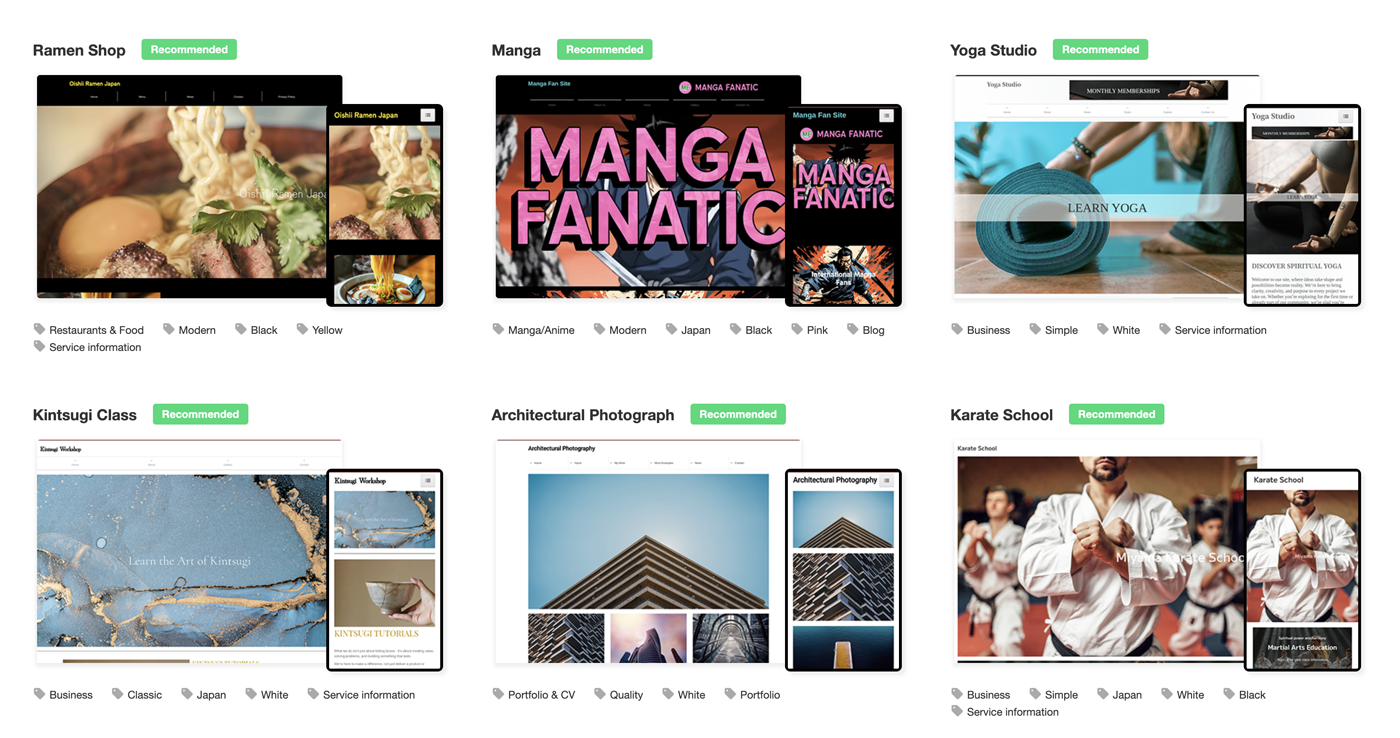
Templates also create forward momentum. When you can see a page taking shape quickly, it becomes easier to continue.
That progress builds confidence and keeps the project moving. Without that sense of movement, it is easy to stall.
2. Template Providers
A platform like WePage is built around this kind of practicality. The template gives you a structure that already works, so you can spend your time adapting the content instead of trying to figure out what an effective homepage is supposed to look like. That kind of clarity is often what helps a website get finished.
It is also worth saying that using a template does not mean your site has to feel generic. Templates are not the final identity of a site. They are the framework underneath it. Your words, visuals, colors and page emphasis still shape the final result. Two businesses can start with the same template and end up with websites that feel completely different because of how they fill that structure.
This is why templates are often a better choice than people assume.
They do not remove creativity. They remove unnecessary friction. And for a lot of businesses, that is the more useful thing.
3. Mobile and Desktop Ready
Templates are also helpful when it comes to mobile readiness.
A layout that looks fine on desktop can become awkward on a phone if it was built casually from scratch. Strong templates usually account for this from the beginning. That means the structure is already more likely to work across screen sizes, which makes launch faster and reduces later clean-up.
This also improves user experience from day one. Visitors can move through your site without friction, regardless of the device they are using.
There is a strategic benefit too. When you launch faster, you start learning faster. You get real feedback. You see how visitors move through the site. You notice what needs improving. Templates support this kind of progress because they help you publish version one sooner, instead of waiting until every design detail has been debated to death.
Of course, templates do not solve everything. They will not write your message for you. They will not fix unclear offers or weak service descriptions. But they remove a huge amount of avoidable complexity. And in many cases, that is the difference between a website that stays stuck in planning and one that starts doing useful work.
If your goal is to launch a professional website faster, the smartest move is often not doing more. It is removing the kinds of decisions that slow you down without creating much value.
That is exactly what good templates help with.
Templates are also valuable because they help people avoid restarting. When a project begins from scratch and the structure is unclear, it is very easy to second-guess every page and start over repeatedly. A template reduces that cycle by giving the project momentum from the start.
There is also a credibility benefit that shows up later.
Businesses that launch sooner often start learning sooner. They can test messaging, gather feedback and improve the website based on real use instead of endless assumptions. Templates support that kind of practical progress, which is often more valuable than custom polish early on.
For many entrepreneurs, that is the real advantage. Templates do not just save design time. They help turn a website from an idea into something the business can actually use.
Templates also help with confidence. When the starting point already feels usable, it is easier to make decisions and keep moving. That confidence is often what gets a website finished instead of abandoned halfway through.
For many small businesses, the website that launches is more valuable than the perfect idea that never gets built.
That is why templates are often a practical business decision as much as a design decision. They help you move faster, stay clearer and get a useful website working sooner.
It also means you can start learning from real visitors earlier, which is usually more valuable than spending extra time trying to perfect the design in isolation.
They help you move faster, stay clearer and get a useful website working sooner.
It also means you can start learning from real visitors earlier, which is usually more valuable than spending extra time trying to perfect the design in isolation.
4. Final Thought
Templates are not shortcuts in a bad sense. They are shortcuts in a practical sense. They let you skip the guesswork and spend more of your time on the content, positioning and clarity that actually influence results.
If you want to launch faster without sacrificing professionalism, starting with a strong template is usually not a compromise. It is the more sensible strategy.
SHARE
Related articles