

SHARE



How a Website Helps Small Businesses Grow Online
April 10, 2026 | 9 min read
By WePage Team

Table of Content
A lot of small businesses still ask the same question before building a website - Do I really need one?
It is a fair question, especially if the business already has social media, referrals or some word-of-mouth momentum. On the surface, a website can feel like one more thing to manage, another project competing for time and attention, another expense that does not immediately show a return and another place where content needs to be written, reviewed and updated. But once a business starts trying to grow consistently rather than sporadically, the value of a website becomes much clearer, not as an optional extra, but as a central tool that supports almost everything else the business is trying to achieve.
1. Why Your Business Needs a Website
A website is not only a place where information lives. It is where interest gets turned into clarity, where curiosity becomes understanding and where a potential customer starts to move from passive awareness into active consideration. It helps people understand what you do, decide whether they trust you, compare you to alternatives and figure out what to do next in a way that feels simple and predictable. That matters more than many businesses realize, especially when customers are researching quietly before they reach out, often comparing multiple options without ever making contact until they feel confident.
For new entrepreneurs, one of the biggest advantages of a website is credibility. Social media can help people discover you, but it often does not answer enough questions to create real confidence or reduce hesitation. A website gives you room to explain your services in plain language, show examples of your work, provide clear contact details, outline your process and present the business in a way that feels more established and dependable. It becomes the place where a casual visitor can take a second look and decide whether your business feels legitimate and worth engaging with.
2. Your Website Represents You
That first impression matters more than most people expect. A lot of potential customers will look at your website before they ever send a message, even if they found you somewhere else first. If it feels clear, professional and easy to follow, trust builds faster and the decision to reach out feels more natural. If it feels thin, confusing or unfinished, hesitation starts immediately and often quietly ends the interaction before it even begins. This is why a website does not just support growth, it directly influences whether growth opportunities are captured or lost.
That is one reason websites support growth better than many people expect. They make your business easier to understand at scale, which means you are not explaining everything one conversation at a time or repeating the same information to every new enquiry. The site is doing some of that work for you continuously, presenting a consistent message to every visitor, every day, even when you are not available, asleep, busy or focused on other parts of the business.

This becomes especially useful as your marketing expands. If you are posting on social media, running ads, getting referrals, appearing in directories or showing up in search results, all of that attention has to go somewhere meaningful. A website gives that attention a destination where it can be properly understood and acted on. Ideally, it also gives visitors a clear next step that feels easy to take, whether that is making contact, requesting a quote or simply learning more.
Without that destination, a lot of attention simply dissipates. Someone clicks your profile, scans a few posts, maybe reads a caption or two and then moves on without ever forming a clear understanding of what you offer. With a website in place, that same person can land somewhere structured, where your business is explained clearly, your value is easier to grasp and the path forward is obvious. That difference alone can significantly change how many people move from awareness into action.
Websites also help small businesses grow because they support consistency in a way that social platforms cannot. On social media, the message changes with every post, content moves quickly and context disappears as older posts get buried. On a website, the important information stays where it should be. Your services, your core message, your location, your process and your contact details remain stable and accessible. That consistency reduces confusion, reinforces your positioning and helps build trust over time as visitors encounter the same clear message repeatedly.
There is also the issue of ownership, which becomes more important as a business grows. Social media is useful, but it is rented space. Algorithms change, reach fluctuates, platform rules evolve and visibility can shift without warning. A website gives you a space you control entirely. You decide what is shown, how it is organized, what message is emphasized and what action you want visitors to take next. That control makes your marketing more stable and less dependent on external changes.
3. It’s How Potential Customers Find You
Search visibility is another major reason websites matter. Many people still discover businesses through search, especially when they are looking for a service with real intent. Someone searching for a local provider, a niche expert or a solution to a specific problem is usually much closer to taking action than someone casually scrolling. A website gives you the opportunity to appear in those moments and meet that intent with clear, useful information.
And once people arrive, the site can do what social content often cannot. It can answer practical questions in a structured way. What do you do. Who is it for. Why should I trust you. How do I contact you. What happens next. That information helps people move from curiosity into confidence and from confidence into action, without needing to ask basic questions that might otherwise slow them down.
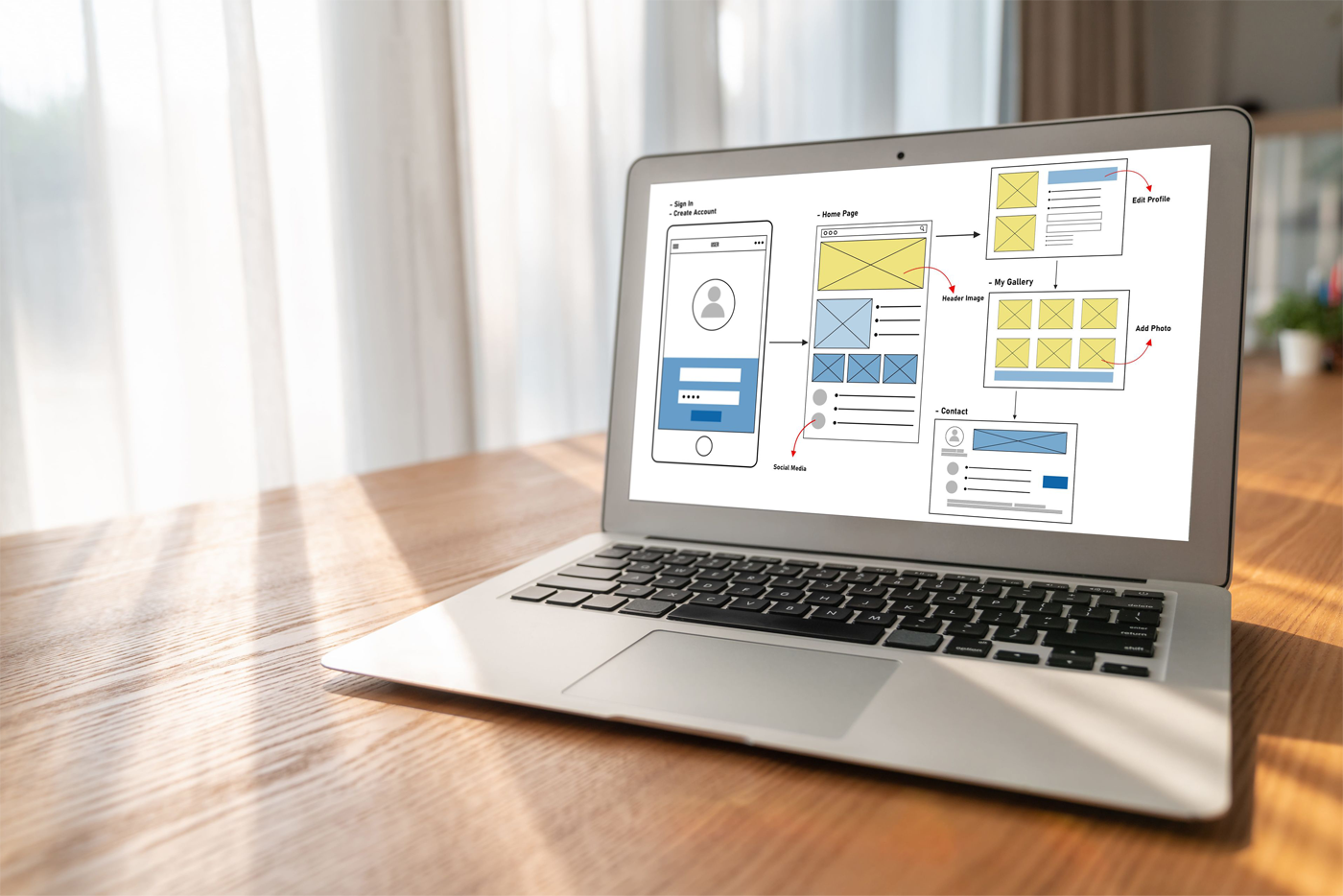
This is why websites often support customer acquisition more effectively as a business matures. Early on, a few referrals or word-of-mouth connections might be enough to sustain activity. But if you want steadier, more predictable growth, you usually need something that supports discovery, trust and action in one place. A website provides that structure and allows those elements to work together rather than separately.
There is also a quieter but equally important benefit. A website helps clarify your own business. Writing a homepage, an About page and clear service descriptions forces you to explain what you offer, who it is for and how it works in a way that makes sense to someone else. That process often improves the business itself because it exposes anything that is vague, inconsistent or overcomplicated. Clear communication often leads to clearer positioning and better decisions internally.
This is one reason simple builders can be so useful. A platform like WePage gives small businesses a way to build something credible without getting buried in technical complexity or design decisions. The structure is already there, which means the real work becomes writing clearly, organizing information well and presenting the business in a way that makes sense. That is usually the part that creates value anyway.
4. Start Simple
A website does not need to be huge to support growth. In many cases, a simple site with a homepage, an About page, a services page and a contact page is enough to create a strong foundation that can support enquiries and build trust. From there, the site can grow along with the business, adding more content, more pages and stronger search visibility over time as needed. The important thing is that the site begins doing useful work now rather than remaining an unfinished idea.

That useful work often includes things owners do not think about at first, such as saving time by answering common questions before they are asked, making referrals easier because people have something clear to share, helping potential customers compare you to other options with confidence and reinforcing professionalism even when someone found you somewhere else first. These small advantages add up over time and contribute to more consistent growth.
This is why websites are not just “nice to have” for many businesses anymore. They are part of the operating system of growth. They make your business easier to find, easier to understand and easier to trust, which are three of the most important factors in whether someone decides to take the next step.
5. Your Website Grows With You
Another benefit is that a website gives your business a place to age well. Social posts are temporary and quickly replaced. A website can become more useful over time as it gathers better pages, stronger examples, clearer messaging and more refined positioning. That long-term value is one reason it supports growth so effectively, because it compounds rather than resets.
Even when customers first discover you elsewhere, the website often becomes the place where they make the final decision. In that sense, it supports every other marketing effort, even the ones that seem unrelated at first. It acts as the point where everything comes together and where interest is either confirmed or lost.
That is why businesses that delay building a website often feel like they are trying to grow with one hand tied behind their back. Attention arrives, but there is no strong place for it to land, no clear explanation to support it and no structured path toward action.
It also gives your business something that many marketing channels cannot provide, which is stability. A website can keep doing useful work even when social posting slows down, ad campaigns pause or external channels become less predictable. That reliability is part of what makes it such a strong growth asset over time.
In that sense, the website becomes less like a marketing extra and more like a permanent part of the business infrastructure. For a growing business, that kind of consistency is hard to replace because it gives people one reliable place to understand the business properly without needing to piece things together from multiple sources.
That is one reason websites keep adding value long after they are published. They continue clarifying the business, supporting decisions and reinforcing trust even while everything else around them keeps changing and evolving.
6. Final Thoughts
A website helps small businesses grow because it gives structure to everything else they are doing. It turns visibility into clarity, trust into action and scattered attention into something more useful and measurable. If your business is trying to grow online, a website is not extra. It is part of the foundation that helps growth happen consistently and sustainably.
SHARE
Related articles