
SHARE



Website vs Social Media Page: Which One Does Your Business Need?
April 10, 2026 | 13 min read
By WePage Team

Table of Content
This question comes up all the time, especially for small businesses and freelancers trying to decide where to put their energy first and how to prioritize their limited time and resources.
Should you build a website, or is a social media page enough to support your business at this stage?
At first, social media often feels like the easier answer. It is faster to set up, easier to update and already built around attention. You can create an account, upload a few posts and potentially get a response within hours. That kind of speed is hard to ignore when you are trying to get moving, especially in the early stages of a business where momentum matters.
But speed and ownership are not the same thing, and this is where the difference starts to matter more than most people expect.
A social media page is great for visibility. It helps people discover you, follow you and occasionally interact with your content in a way that feels immediate and accessible. But a website plays a different role entirely. It gives people a stable place to understand your business, explore your offer and take action without distraction or competing content.
That distinction becomes more important as the business grows and as your audience becomes more intentional in how they evaluate what you offer.
A social profile is part of your presence. A website is more like your foundation, the place where everything connects and where your business is explained properly.
The biggest strength of social media is reach. It can put your business in front of people who were not actively looking for you, which makes it powerful for awareness and discovery. It helps with personality, visibility and staying present in people’s minds. It can make a business feel active, current and engaged.
But social media also has limits that are easy to overlook at the beginning. Your audience may not see every post. Old content disappears quickly as new content replaces it. Important details get buried in a feed that is constantly moving. And you are always competing with everything else in someone’s attention span at that moment.

Even when someone likes what they see, there is often no clear path from curiosity to conversion. They may scroll, enjoy a post and then leave without taking any meaningful action.
That is where websites tend to outperform.
1. The Advantages of a Website
A website gives your business structure and clarity. It lets you explain who you are, what you do, who it is for and what someone should do next in a way that is easy to follow and consistent. There is no algorithm deciding whether your most important information gets seen. It is there, organized and available whenever the visitor needs it.
That control matters more than many people expect, especially when someone is close to making a decision.
If someone hears about your business from a friend, sees your profile or finds you through search, they often want to verify you before contacting you. They want to know you are real, clear and credible. A website helps with that because it feels more complete and intentional. It shows that your business exists beyond a single platform and has taken the time to present itself properly.
Social media, on the other hand, is often where context gets lost. You may have strong content, but if someone lands on your profile for the first time, they still have to piece together what you offer, how it works and whether it is relevant to them. That effort creates friction, and if the path to contact is unclear, they move on.
This does not mean social media is unimportant. Far from it. For many businesses, it is a strong top-of-funnel channel that brings people in and keeps your business visible. It attracts attention, supports brand personality and helps maintain a connection with your audience over time.
But it works best when it sends people somewhere stronger. Somewhere designed not just to attract attention, but to convert it into something more meaningful.
That place is usually your website.
2. Your Website Grows with You
Another thing worth considering is longevity. Social content moves fast. A post that performs well today may be practically invisible in a day or two. Even your best content has a short lifespan unless it is continuously reshared or rediscovered.
A website page, on the other hand, can keep working for months or years if it is well written, clearly structured and search-friendly. It becomes an asset that continues to support your business over time rather than something that fades quickly.
This is especially true for service businesses. If someone is looking for a photographer, consultant, builder or therapist, they usually want more than a feed of posts. They want clarity, reassurance and detail. They want to understand what working with you actually looks like and whether your approach fits their needs.
A website gives you room for that level of explanation in a way that social media simply cannot.
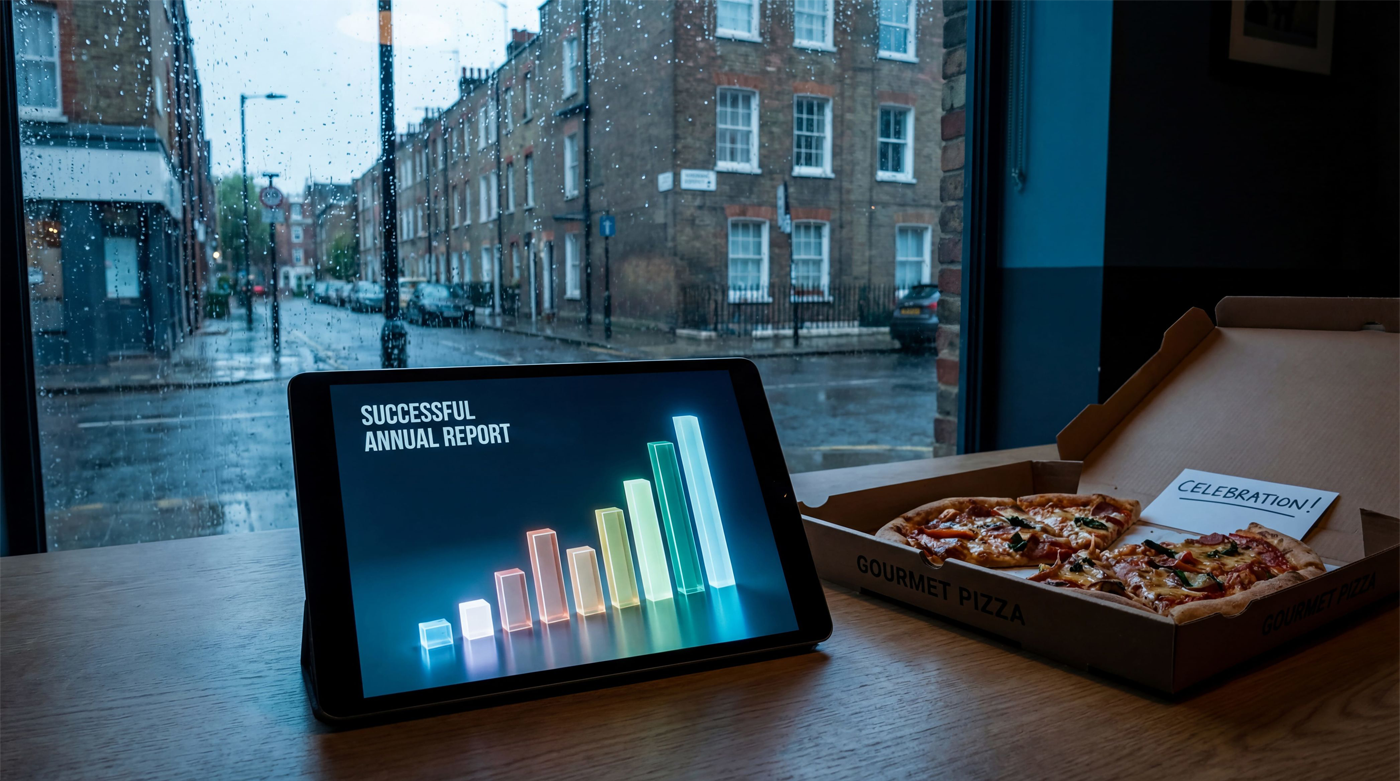
There is also the issue of ownership. A social media page lives on someone else’s platform. The rules can change, reach can fluctuate and features can shift without warning. Your website is the one space that belongs entirely to you. You control the structure, the message and the experience.
That does not mean it replaces social media. It means it anchors it and gives it purpose.
For small businesses, the smartest setup is often not website or social media. It is website plus social media, with each one doing a different job that complements the other.
Social media gets attention. The website turns that attention into trust and action.
That combination works because it respects what each platform is actually designed to do, rather than trying to force one tool to do everything.
3. Start with a Template
If you are just starting out and need to prioritize, the practical question becomes this. Do you need awareness first, or do you need a place to convert the awareness you already have. If people are already hearing about you, even in small numbers, a website quickly becomes valuable because it gives that interest somewhere structured to land.
A platform like WePage helps here because it makes building that foundation easier and more approachable. You do not need to over engineer the site or make it overly complex. You just need a clear place that explains your business and supports the next step.
That is often enough to shift things from scattered attention to something more consistent and reliable.
Another advantage websites have is flexibility. You can shape the experience around your business instead of around a feed format that limits how information is presented. You can decide what comes first, what should be emphasized and how much explanation someone needs before they feel comfortable acting.
That control becomes especially important if your offer is nuanced, your pricing requires explanation or your customers need reassurance before making a decision.

Social media still has a big role, especially for staying visible and relatable over time. But on its own, it usually leaves too much to chance. A website provides the clarity and stability that social platforms were never really built for.
4. Website vs Social Media
Another useful way to think about it is this. Social media is where people casually bump into your business, often without actively looking for it. A website is where they deliberately check whether your business feels right for them once their interest has been sparked.
Both have value, but they serve very different stages of decision-making.
That is why businesses that rely only on social media often feel harder to understand from the outside. The content may be active and engaging, but the path to action is still weak or unclear. A website fills that gap by providing a clear, structured place for decisions to happen.
Once that gap is closed, your online presence usually starts feeling more coherent and connected. Social posts bring people in, and the website helps them decide what to do next.
That is usually when the difference becomes obvious. Social media keeps the business visible, but the website is what helps a visitor become a customer. Without it, too much of the interest stays surface level.
With it, that same interest has somewhere stronger to go and something clearer to act on.
Seen that way, the website is not replacing social media. It is giving all that social activity somewhere more useful to land and something more productive to support.
For many small businesses, that shift is what makes online marketing finally feel connected rather than scattered. The website gives all the attention you generate a place to become something more solid and measurable.
That clarity is usually where the real difference shows up in terms of enquiries, conversions and overall growth.
5. Final Thoughts
Social media can help people notice you. A website helps them understand you.
That is the difference.
If you want long-term clarity, stronger credibility and a place that supports real action, a website is hard to replace. Social media still matters, but it works best when it leads somewhere more stable, more structured and more intentional.
In most cases, the question is not which one your business needs. It is which one should do which job, and how they can work together to support growth in a way that feels simple and effective.
SHARE
Related articles